

Have you ever been waiting at the airport gate, and right as you're about to board, the gate agents start checking carry on luggage in the sizer? Or have you ever caught a wheel in the crack between a cobblestone and had it come loose? Of course, we've all had times when we couldn't find the gear we needed because our luggage didn't have the right kind of organization.
Those are just a few of the mistakes travelers make when choosing the right luggage. We're here to clue you in to what to look for when shopping for a new carry on or checked bag so you don't make them, too! We're packing everything into Away carry-on and checked luggage, because it's our top recommendation for travelers who prioritize quality and long-term value, though these tips work for any gear. We like Away because the brand's quality carries across their entire lineup. Whether you need a small carry-on for a weekend trip, a bigger carry-on for a week abroad, or something expandable for a family vacation, you're getting the same high-quality wheels, zippers, and testing. The bag changes to fit the trip, not the quality.
So, as you figure out what suitcase fits your travel style, start with Away. And if you still have questions about how to pick the best luggage, we have a helpful FAQ section to help!
Mistake #1: Buying For The Wrong Reasons
Most people buy luggage based on one of two things: looks or cost. However, neither of those things tells you whether a bag will hold up for years of travel. We've tested plenty of good-looking bags with flimsy zippers, and you're rolling the dice with a budget bag, since it could cost you twice as much to replace in a pricey tourist town if it breaks on a trip.
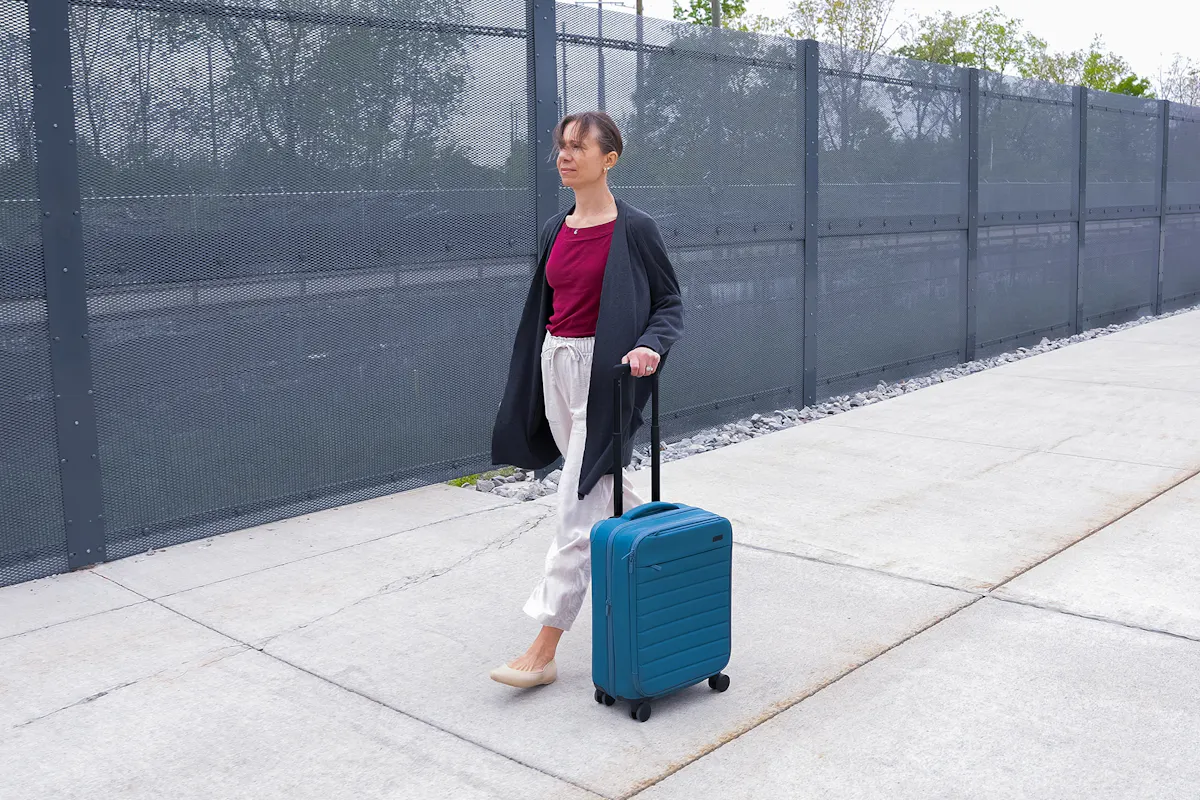
So, how do you decide what to spend? Realistically, it depends on how often you travel. If you only take one or two trips a year, you don't need all the bells and whistles, and a practical, mid-range bag will do the job. But if you're a business traveler on a plane multiple times a month, durability and the right organizational features are essential.
Unfortunately, spending more doesn't automatically get you better features. That depends on the brand. We suggest buying from a company that stands behind its products with a solid warranty. You want a brand that will look out for you when things go wrong, especially when it comes to airline and travel damage.
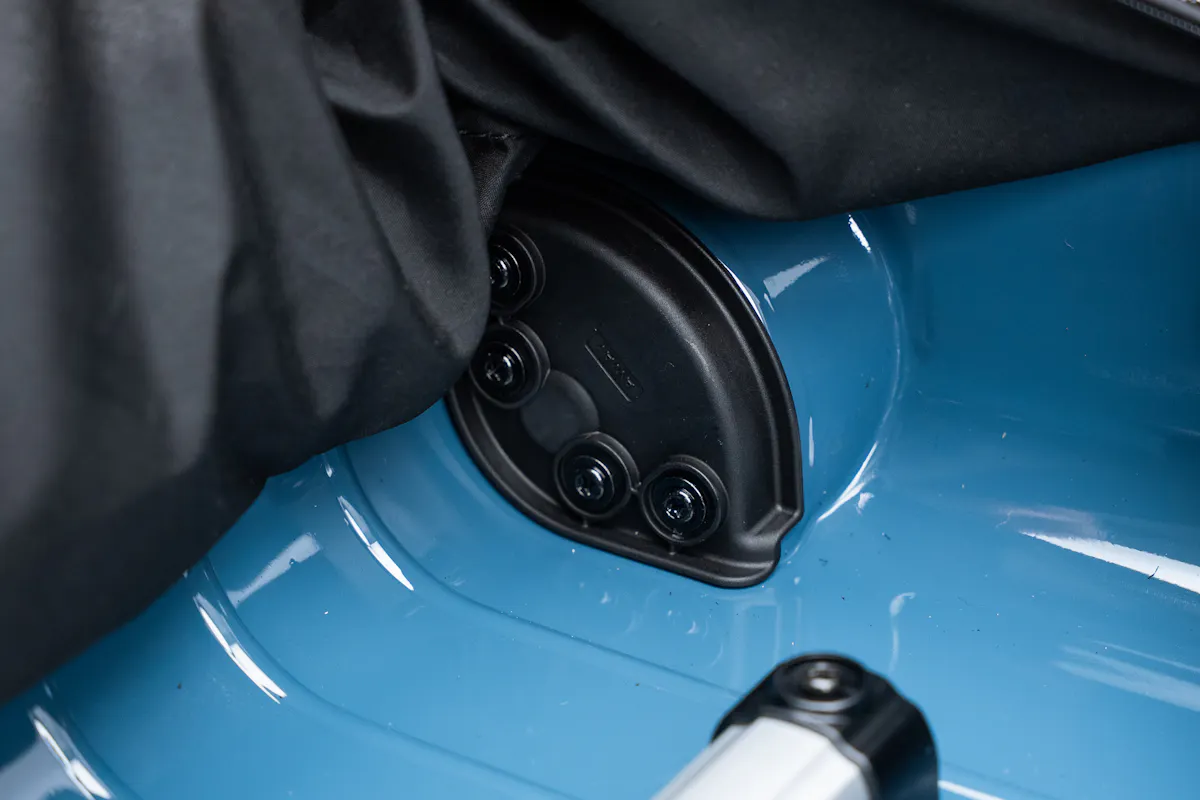
We love brands like Away that repair parts as needed throughout your bag's lifecycle instead of replacing it by default if something breaks. It’s more eco-friendly, and you’re not stuck without a bag until they can send you a new one. We've heard horror stories of travelers waiting months for a replacement bag and of brands that don't include travel and airline damage in their base coverage. You want a brand that actually covers damage sustained while using it, not just manufacturing defects like most warranty policies.
So before you set a budget, think honestly about how much you travel. It's better to buy something once than make a large investment and later realize it doesn't fit your needs.
Mistake #2: Ignoring Your Trip Type
Different trips call for different luggage, whether you're heading to Europe for the summer or a work conference. So, think about the kind of trip you’re taking, so it doesn't cost you money, make packing harder, or leave you without space for the gear you actually need.
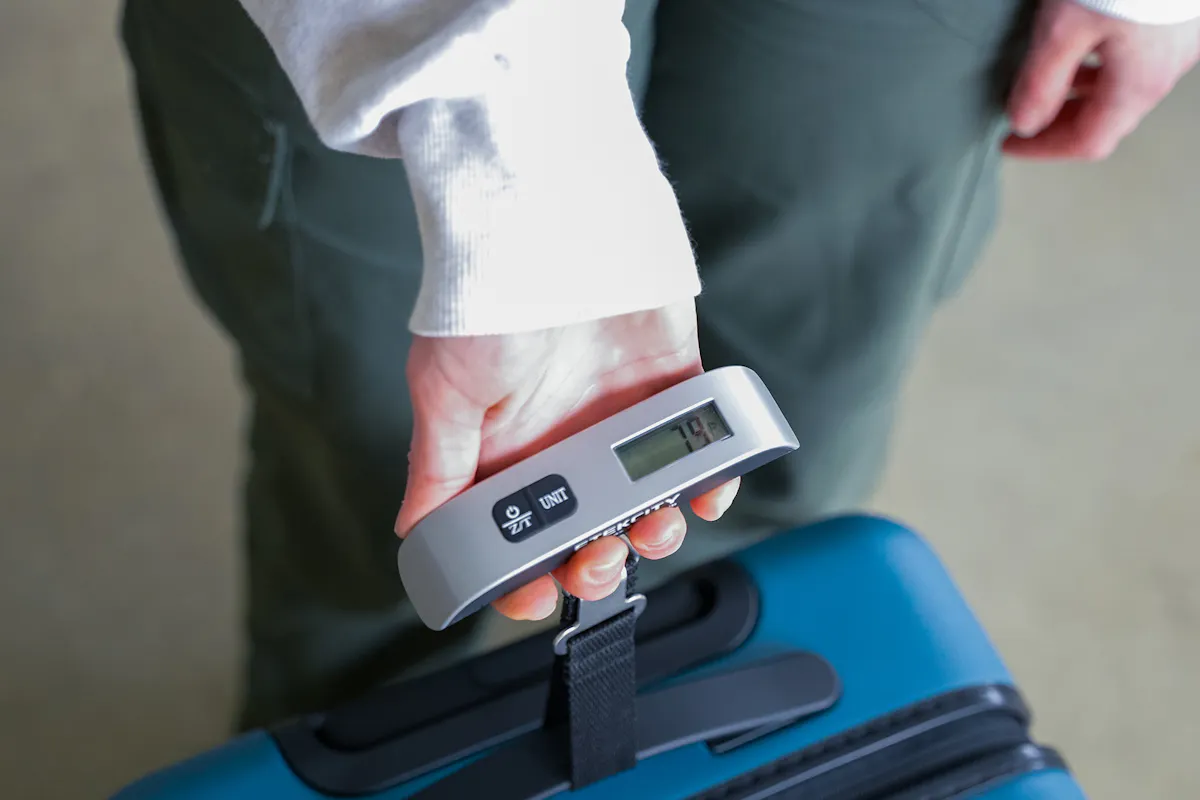
We love traveling carry-on only, but if you have to bring large or specialty gear, just use a bigger bag. You're paying that checked-bag fee regardless, so you might as well get your money's worth and go with an expandable suitcase like The Medium Flex to accommodate gear you buy on your trip, extra shoes, or bulky clothing. The same goes for business travel. You want enough space for your formal clothing and a change at the end of the day. Just be sure to weigh the bag after you pack. Even if you're checking it in, there are usually weight limits to consider, and you don't want to pay an oversize or overweight bag fee if you get it wrong.
If you're traveling internationally, the stakes are a little higher across the board. Weight limits tend to be stricter, sizing standards can differ by airline and region, and your bag is more likely to be handled roughly on longer multi-leg journeys. Make a list of your tightest weight and size restrictions, and choose a bag that fits within them. If you fit the strictest airline, you’ll fit them all.
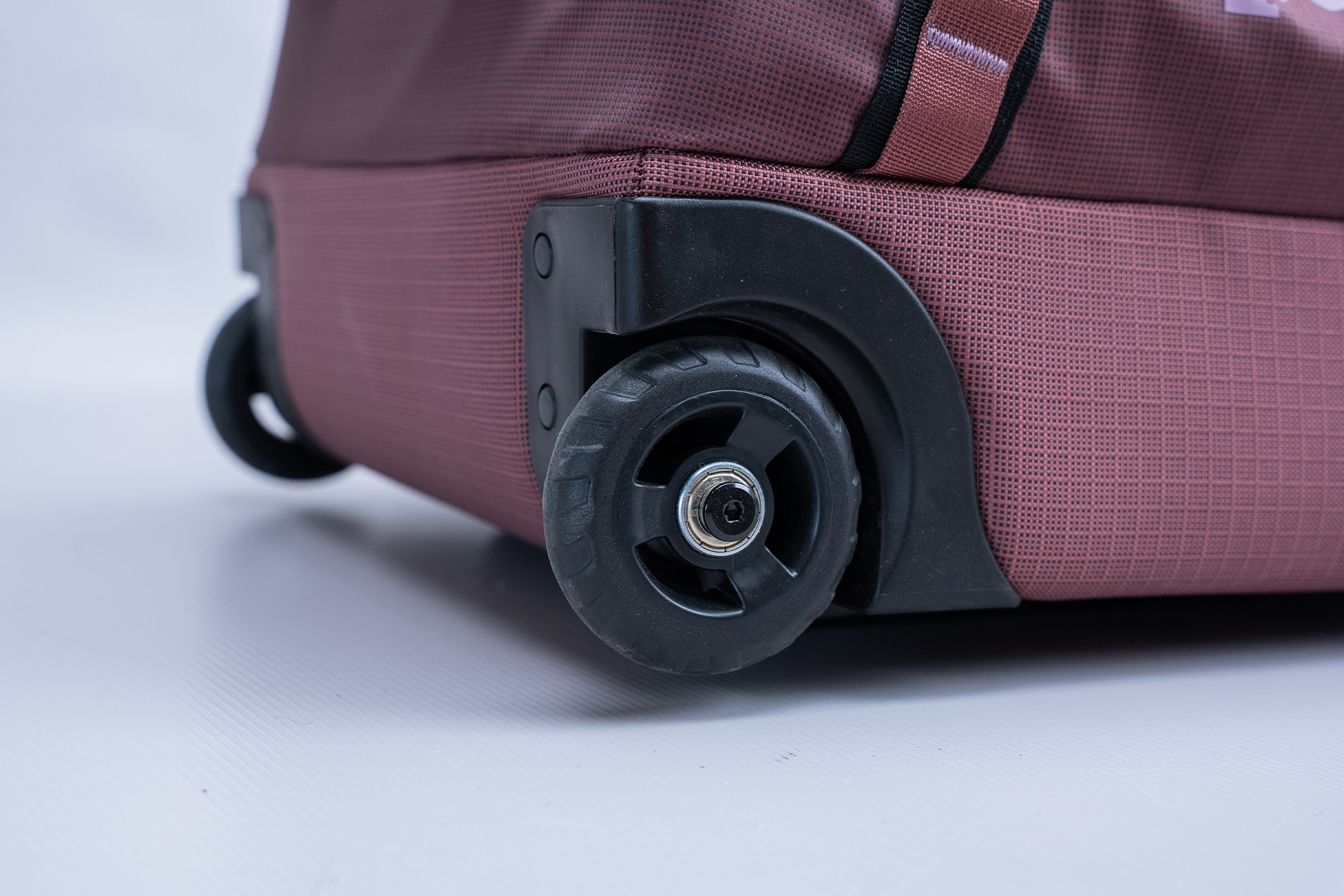
The type of destination matters, too. If you're spending time in older cities with cobblestone streets, your wheels will take a beating. Some two-wheeled suitcases have beefed-up wheels specifically for rough terrain, but we find a four-wheel spinner rolls just fine over cracked pavement if you tip it back onto two wheels. Plus, you still get the benefit of all four wheels in the airport, where maneuvering is easier.
Mistake #3: Minimizing Quality
Scoring a hot deal on a new suitcase feels like a win, until it breaks mid-trip. Cheap bags are more likely to be poorly made—and in turn more likely to fail—and the cost of replacing one on the road almost always exceeds what you would have spent buying better upfront.
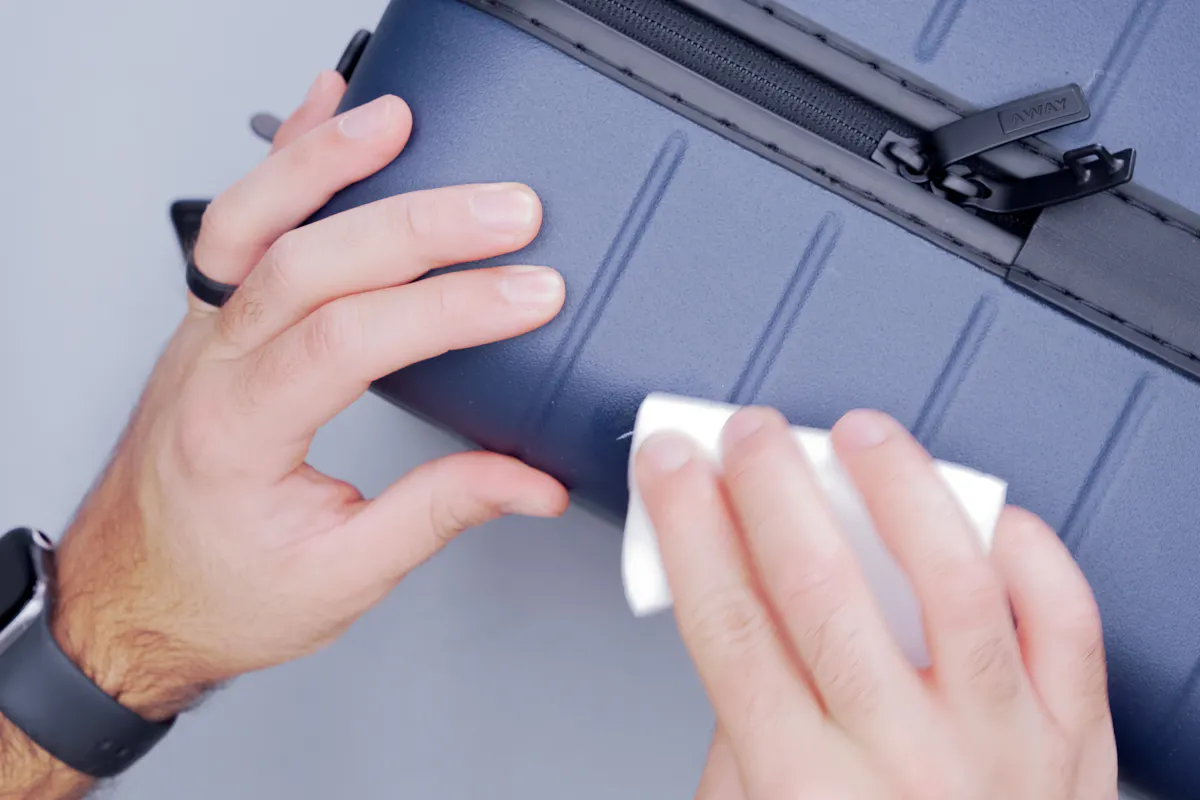
The problem you'll encounter depends on the type of luggage you have. Soft shells are more likely to rip, but hard shells can crack or dent when baggage handlers toss them around. They also scuff easily, but we like brands like Away that include erasers so they look good as new when you get home. Whichever type you choose, it’s more about the quality of the material than the style of the bag. Cheap, thin fabrics and shells will rip or dent much more easily, regardless of whether the bag is hard or soft. We look for high-denier fabrics like nylon and polycarbonate shells that feel thick without being too heavy.
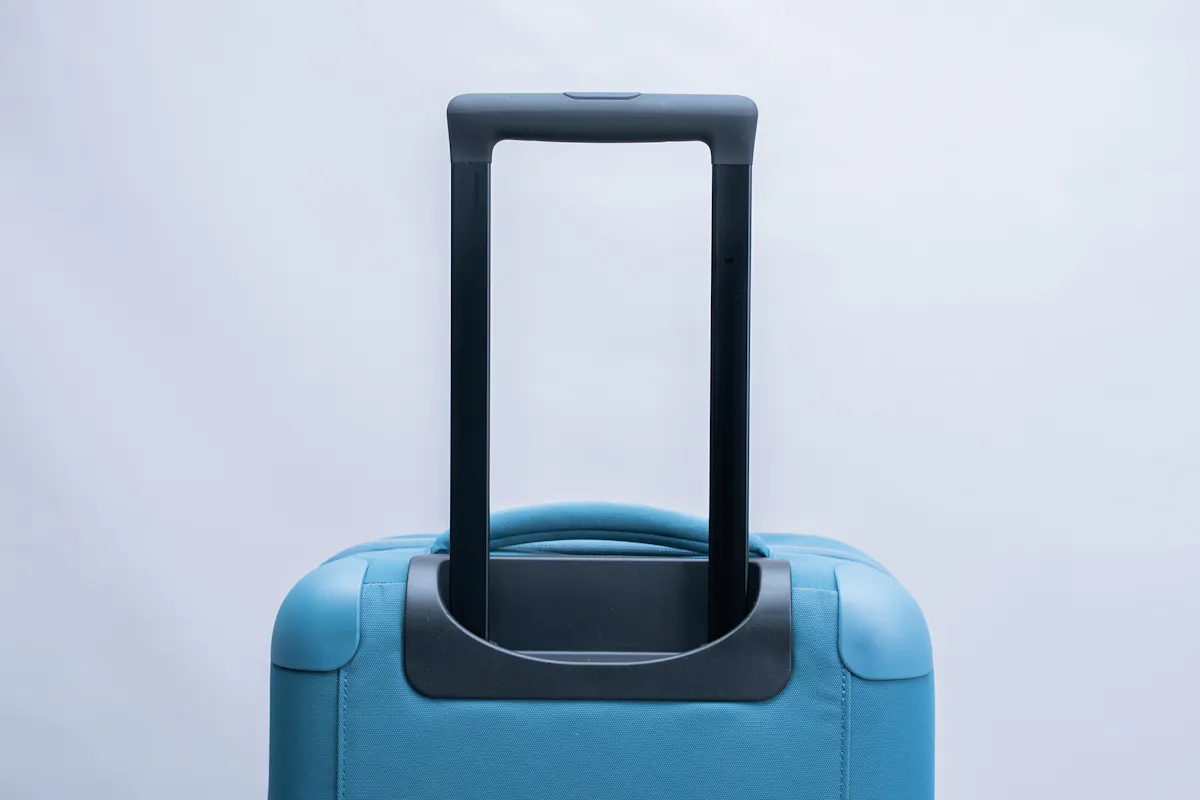
Details matter, too. You can find bags that don't cost much more but pay off in dividends with more stable telescopic handles, more reliable wheels, and zippers that don't snag or separate. If you've ever sat on a suitcase to zip it shut, you know how easy it is to tell a quality zipper from a poor one. You don't want to strain a cheap fastener if you don't have to.
Every piece of Away gear goes through their AXT Performance Testing standard. They put it through real-life scenarios, like dropping the bag on its shell in cold conditions, opening and closing the zipper thousands of times, and spinning the wheels continuously for miles. With this testing, they prove every suitcase can handle the rigors of modern travel before you even touch it.
Cheap bags will take their final trip to the dumpster if they break, while quality bags include replaceable parts. Check a brand's website to see if they support DIY repairs, or look for visible screws and hardware, since parts are usually replaceable if they're accessible. Wheels are often the first thing to go, and a brand that lets you swap those out means you're not buying a whole new bag over something minor. For example, Away's LifetimeCare coverage prioritizes repairs over replacements, and they'll only replace the whole bag if a fix isn't possible.
Mistake #4: Not Considering Your Airline
By far, the biggest mistake people make when choosing luggage is ignoring the size and weight restrictions of the carrier they use most.
Before you commit to any carry-on, look up your airline's size and weight restrictions to ensure your bag will fit. A checked bag can easily run you $100 round trip on most domestic airlines, which is exactly why getting the size right before you buy matters. If you've never flown with an airline before, search online to see how strictly they actually enforce the rules. There's a real difference between an airline that glances at your bag and one that makes you test it in a sizer at the gate. In the U.S., for example, Delta usually lets you board even if your bag is slightly larger than their limits, so you can likely get away with something like The Bigger Carry-On. Frontier, on the other hand, is known for checking every single bag before they let a passenger board, and you will get stuck with the gate check fee if you get caught.
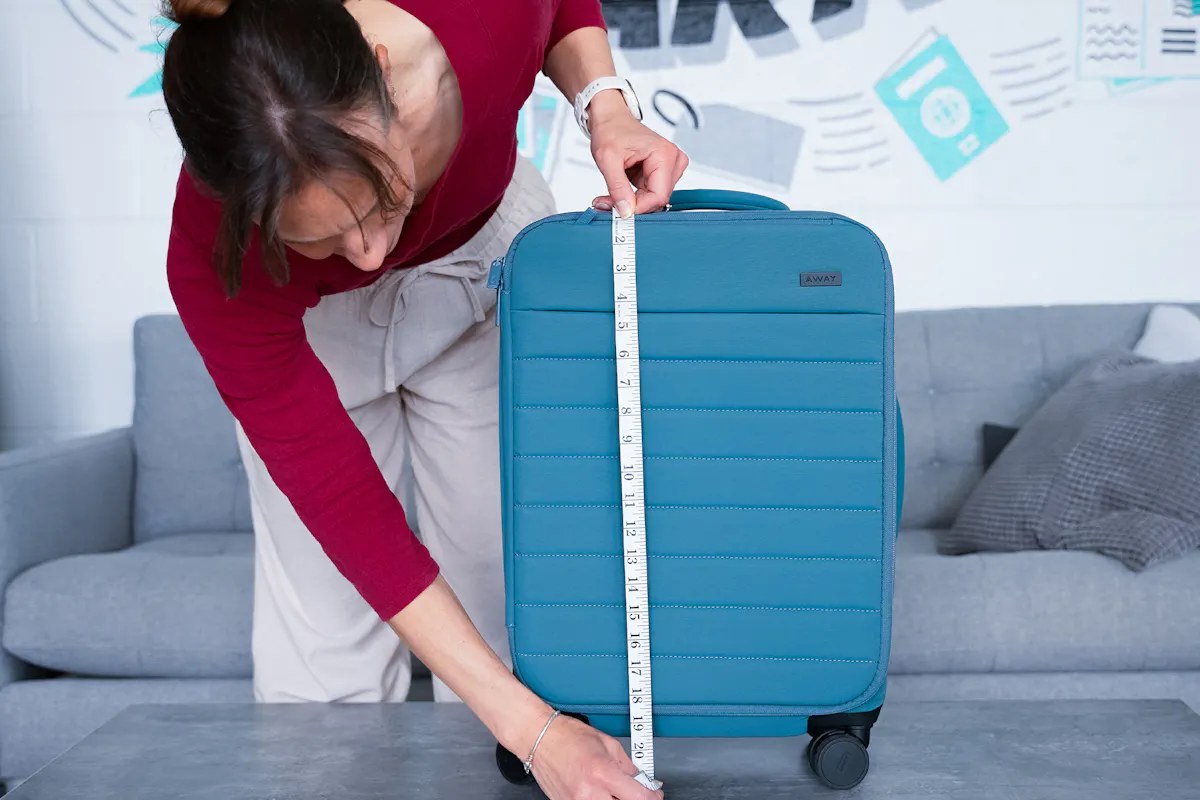
When it comes to size, look at the dimensions again when you get home. The measurements on a brand's site are sometimes more generous than accurate. And don't trust labels like “carry-on friendly” or “fits in the overhead bin”—they're oftentimes as disingenuous as the “heart smart” label on a box of sugary breakfast cereal. Measure it yourself, with wheels and handles included, before you start packing, because that extra inch or two is exactly what gets your bag pulled at the gate.
Meeting size restrictions doesn’t always matter if you’re in a later boarding group, and while gate agents might let backpacks pass by in the hopes that they can slide under the seat, rolling luggage is more likely to be gate checked once the cabin fills up. On the other hand, at least it’s free by that point, rather than if you get caught during a check in the sizer. If you know you're in one of the last two boarding groups, you can always bring a bigger roller in the hopes that they ask for volunteers, but that’s a risky game, and we don’t recommend it.
If weight caps are a concern, you don't want a bag that's too heavy even when empty. Aim for one that’s 7 lbs or less to start to avoid it eating into your allowance before you've packed a single thing. A lighter bag gives you more of that allowance back for the stuff that actually needs to come with you.
Mistake #5: Choosing The Wrong Shell
So you've found a good company and know what size suitcase to get—do you go for a hardside or a soft-sided one? Each has real strengths, and the mistake is not thinking about which one actually fits how you travel.
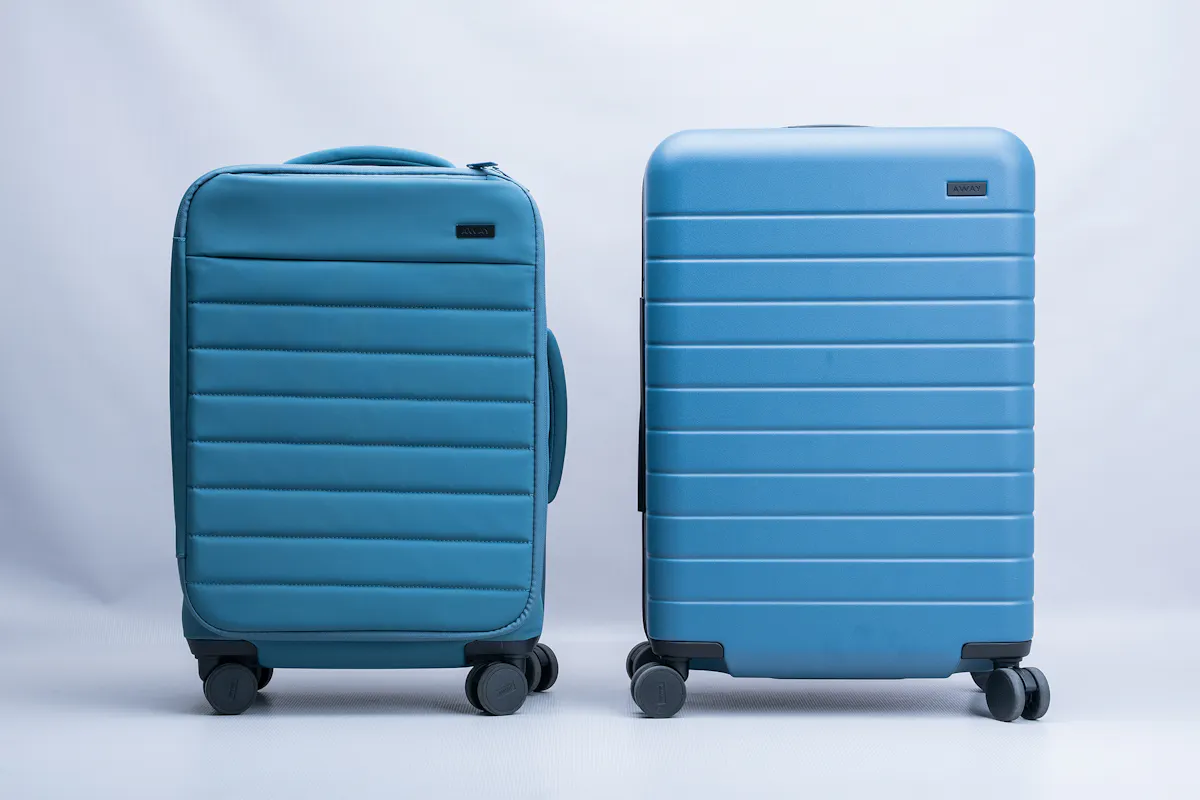
If you often bring expensive electronics or fragile items like gifts, a hard shell offers better protection. We like polycarbonate shells because they’re a solid, lightweight option without the steep price tag of aluminum. On the other hand, you'll need to pair them with another bag through the airport for the essentials you need to grab along the way. Soft shells usually come with external pockets for quick-access items like a laptop, though, which is great for business travelers who need to keep their devices within reach. They’re also more flexible if you often overpack.
Each has its cons, too. While hard shells are generally lighter and more structured than soft shells, they can dent if handled roughly and offer less flexibility when you're trying to squeeze in one last item. Plus, you may need more space to open them, since they usually split in half clamshell, taking up double the space. Softside bags, on the other hand, open more traditionally with a lid while sitting on a luggage rack. However, softshell materials can tear, and overfilling the front exterior compartments can throw off the bag's balance. But, as we mentioned earlier, it’s more about the quality of the build than whether it’s hard or soft. Neither style is universally better than the other; ultimately, it comes down to what you're carrying and how you want to access it.
Mistake #6: Overlooking Organization
You might not think organization matters as much in a suitcase as it does in a backpack, until you need to grab something quickly. If you've ever had to open your suitcase on the floor of the airport and dig through half of it just to pull out a sweatshirt when you start to freeze from the blast of air-conditioning, you'll know what we mean.
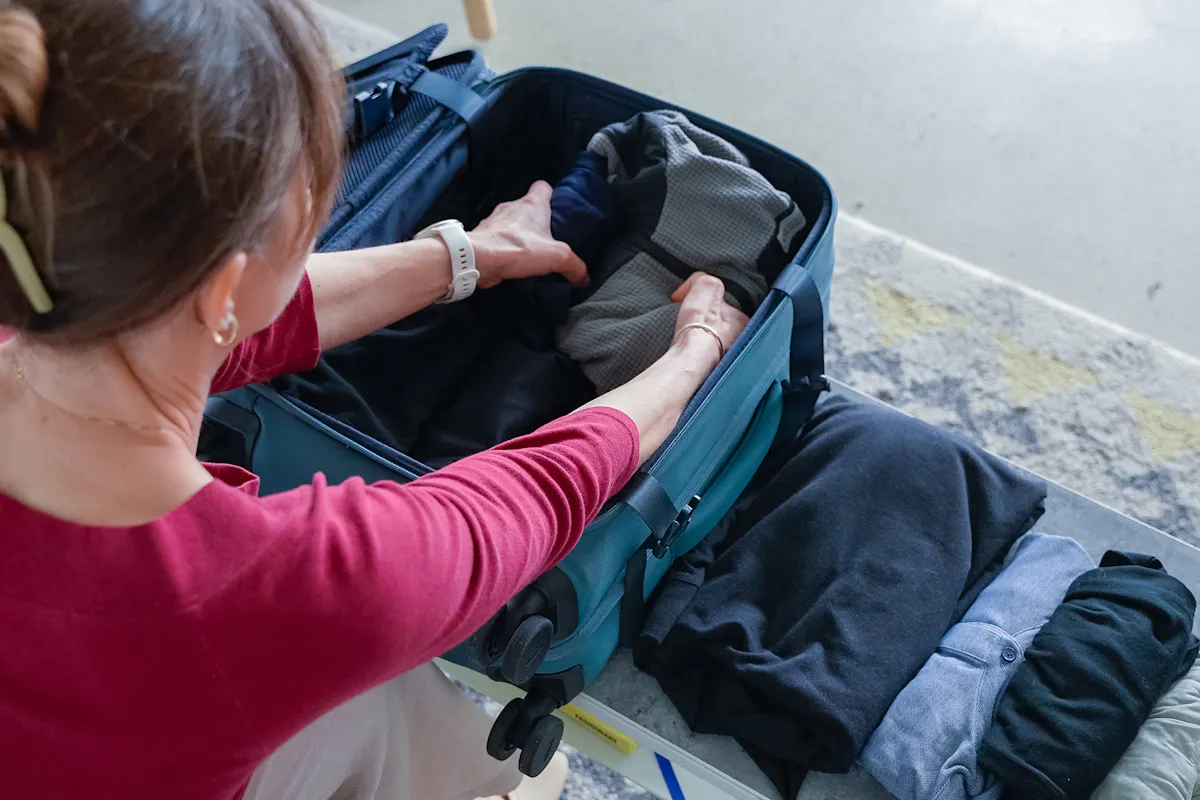
The right internal layout makes a real difference in how easy your bag is to live out of on a trip and use while you're in transit.
If you've used a travel backpack before, start by thinking about what you like about it and why, then look for a suitcase that meets the same needs. If you like clamshell backpacks with equal depth on both sides, look for a suitcase that unzips down the middle. If you prefer top-loading bags, find one that opens with a lid at the top and packs like a duffle, like Away’s Softside Carry-On. If you like expandable backpacks, your suitcase should probably have an expansion zipper, too.
Then, think about what gear is going inside. When you're traveling for business, you might be able to find luggage with a built-in garment sleeve for your shirt and tie. Otherwise, pack that clothing flat on top of the compression panel that's holding down everything else.
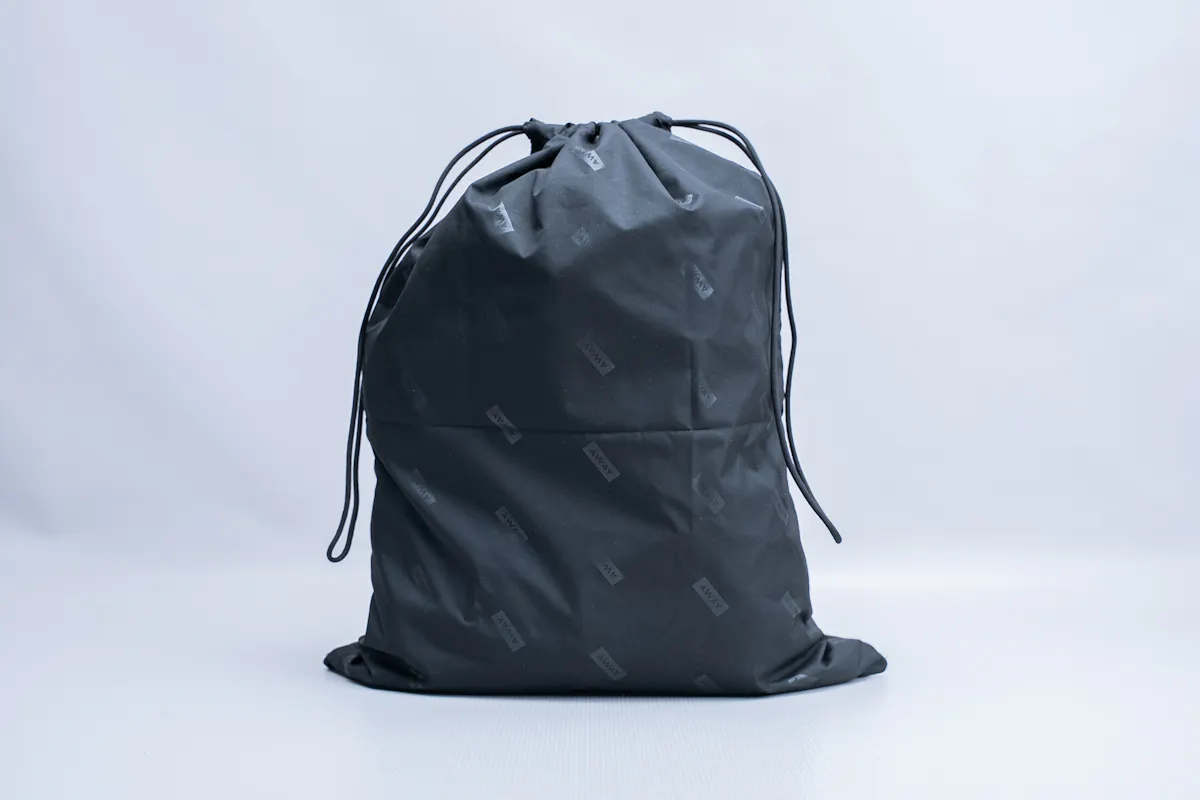
Prefer to use your own packing cubes? Make sure the luggage panel is removable so you have a clean, open space to work with. Want a dedicated spot for dirty clothes? Some suitcases like Away’s come with an included built-in laundry bag.
As for capacity, don't take what's advertised at face value. We find that carry-on luggage is usually around 40 liters, while checked bags fall more in the 60-liter range. However, two bags with the same stated capacity can pack differently depending on the organization and layout. We like one side to have a flexible divider so that it can expand into the open space in the middle, properly utilizing all available capacity.
In general, most luggage keeps internal organization minimal by design, so you can customize it with your own cubes and pouches. And if you buy those from the same brand, they're often sized to fit their bags perfectly! Whether you choose a set with structured sides like The Insider Packing Cubes to simply segment your clothing or the Compression Packing Cubes that locks down the fabric so you can fit more inside, there are plenty of organization options out there.
Do I need a carry-on or a checked bag?
That depends on the length of your trip and how adept you are at creating a travel capsule wardrobe. The longer the trip, the more space you’ll need for clothing, and the larger your suitcase should be. In general, a carry-on should be enough for a weekend getaway, but you might want to upgrade to check-in luggage if you're staying a week to 10 days. However, you’ll run into the laundromat paradox once a trip spans longer than a week or two. The solution to this puzzle is figuring out how long you can go without washing your clothing (or pack items made with Merino wool and similar moisture-wicking, odor-resistant fabrics). Once you’ve figured that out, you can pack light and do laundry as needed.
What features should I look for in a suitcase?
Some rolling luggage comes with a device to store formal clothing in transit, which is great if you often bring a suit or dress for business or a formal event. However, if you’re a more casual traveler, the added hardware is just wasting space, so we recommend looking for an option without those features or where they’re easily removable.
Similarly, some suitcases will have built-in packing cubes and other organizers like toiletry bags. This is ideal for somebody starting fresh, but you might already have pouches that work with your gear. If this is the case, look for a bag with a large open space so you can continue using the organization you like. On the other hand, if your suitcase does have a toiletry bag, ensure it’s removable for passing through TSA. If not, you’ll need to get a separate 3-1-1 bag or check your bag.
What size bag should I check?
Checked luggage tends to range from 60 to 120 liters. That's a large range, so start with something smaller if you're just moving up from a large carry on. However, if you're traveling as a couple or a family, you might want to pack everyone into one larger bag—as long as it doesn't get too heavy. That means only one checked-bag fee instead of two or three. However, whichever size works best for you, be sure to check the airline’s size and weight limits. Choose a bag that works under those conditions, or you'll still be stuck paying two fees: a check-in fee and an overweight charge.
What should I look for in a handle?
The best handle is one that's comfortable when you hold onto it tightly. Not many handles will cause discomfort when you’re meandering through the airport for a pre-flight snack, though a few might when you’re sprinting across the terminal because you’re late for your flight.
You also don’t want your handle to wobble or make too much noise. Most quality luggage has sturdy handles that stay in place as you turn and roll, and that's one of the easiest ways to tell the difference between a quality suitcase and a poor one. You'll also want your handle to have multiple height options because you're more likely to find one that works for you, and you can take turns handling the luggage if not everyone in your travel party has a suitcase.
If you haven't figured it out by now, choosing the right luggage boils down to knowing yourself as a traveler. How often you fly, where you're going, what you're bringing, and how much wear your bag is realistically going to take—all of that plays a role in finding the perfect suitcase for you, and once you know that, it becomes a much easier decision.