INIU SnapGo Air 10000mAh Review
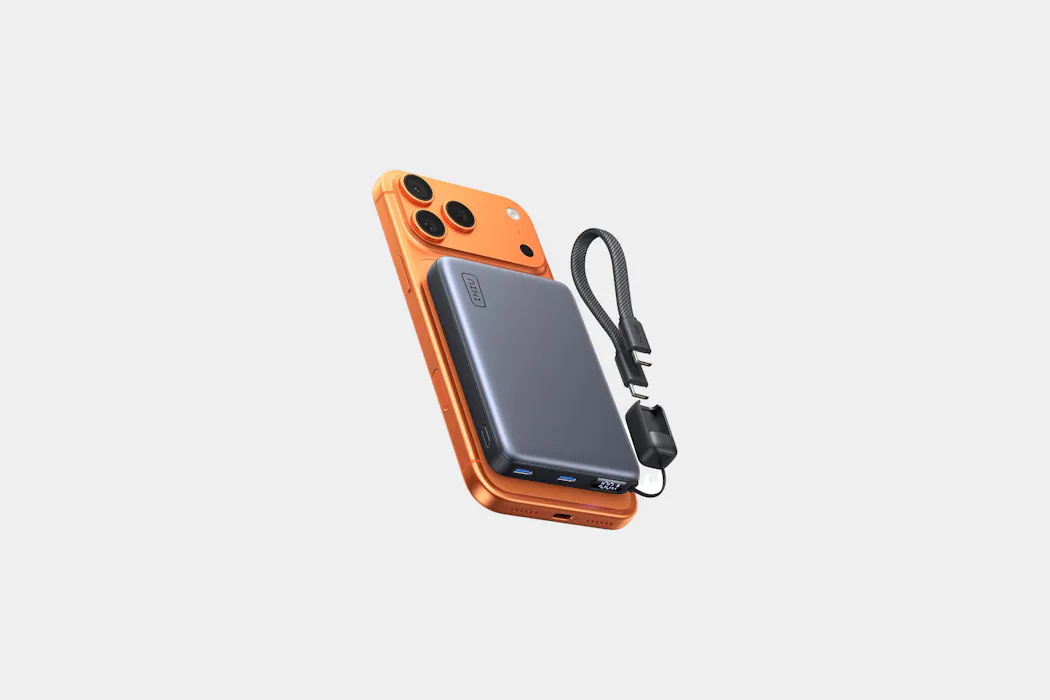
The INIU SnapGo Air 10000mAh combines wireless charging and a built-in cable for versatility in a budget-friendly package.
Our Verdict
Save time. Get access to brief summaries of our reviews so you can browse and make decisions more efficiently.
Pros
- The durable exterior and textured sides feel surprisingly premium for a budget-friendly battery bank
- Wireless charging and the built-in USB-C cable add versatility for travel and everyday carry
- Pass-through charging and dual USB-C ports offer flexible charging configurations
Cons
- Charging speeds drop significantly when powering multiple devices simultaneously
- The integrated cable works better as an emergency option than a true carry handle
- It's bulkier than slimmer, more expensive competitors
Technical Details
-
Capacity
10000mAh
-
Weight (oz)
6.9 oz (195.6 g)
-
Dimensions
4.2 in x 2.8 in x 0.5 in (10.7 x 7.1 x 1.3 cm)
-
Notable Materials
Plastic
-
Manufacturing Country
China
-
Warranty Information
Full Review
The INIU SnapGo Air 10000mAh is another entry into the increasingly crowded battery bank market. However, INIU has carved out a reputation for making budget-friendly battery banks that punch above their price point.
This model combines two trends we’ve been seeing everywhere lately: an included charging cable and wireless charging support. On paper, that makes it a compelling option for travel and everyday carry since you can leave an extra cable at home and still top up compatible devices wirelessly.
However, features don’t always translate well to real-world usability. How does the built-in cable hold up over time, and is the wireless charging actually useful when traveling? Let’s dive in and find out.
The Rundown
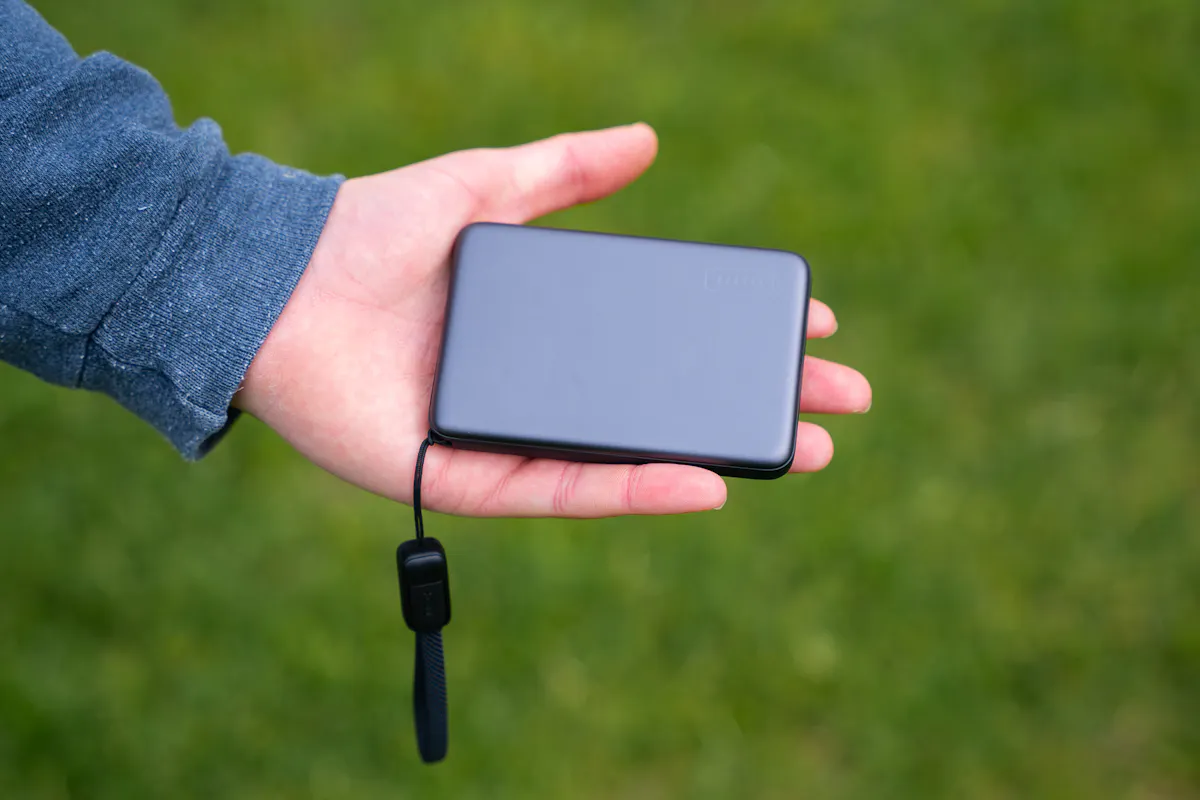
The first thing we noticed about the INIU SnapGo Air 10000mAh is how durable it feels. The exterior is plastic, although the finish and overall rigidity make it feel almost metallic in hand. It’s held up well after two weeks of daily testing, with no noticeable scratches or cracking.
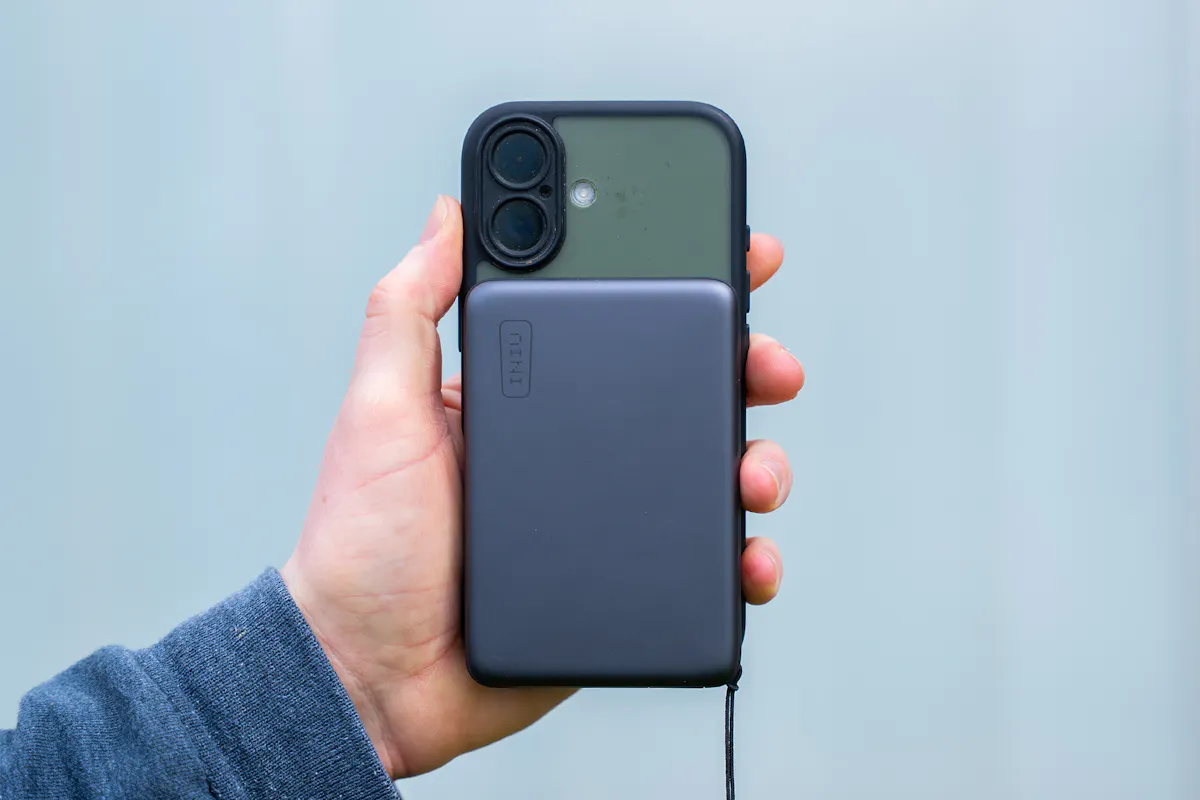
The textured sides are a nice touch. They add grip when pulling the battery bank out of a sling or travel backpack pocket, and they also give it a slightly more premium look than many similarly priced competitors.
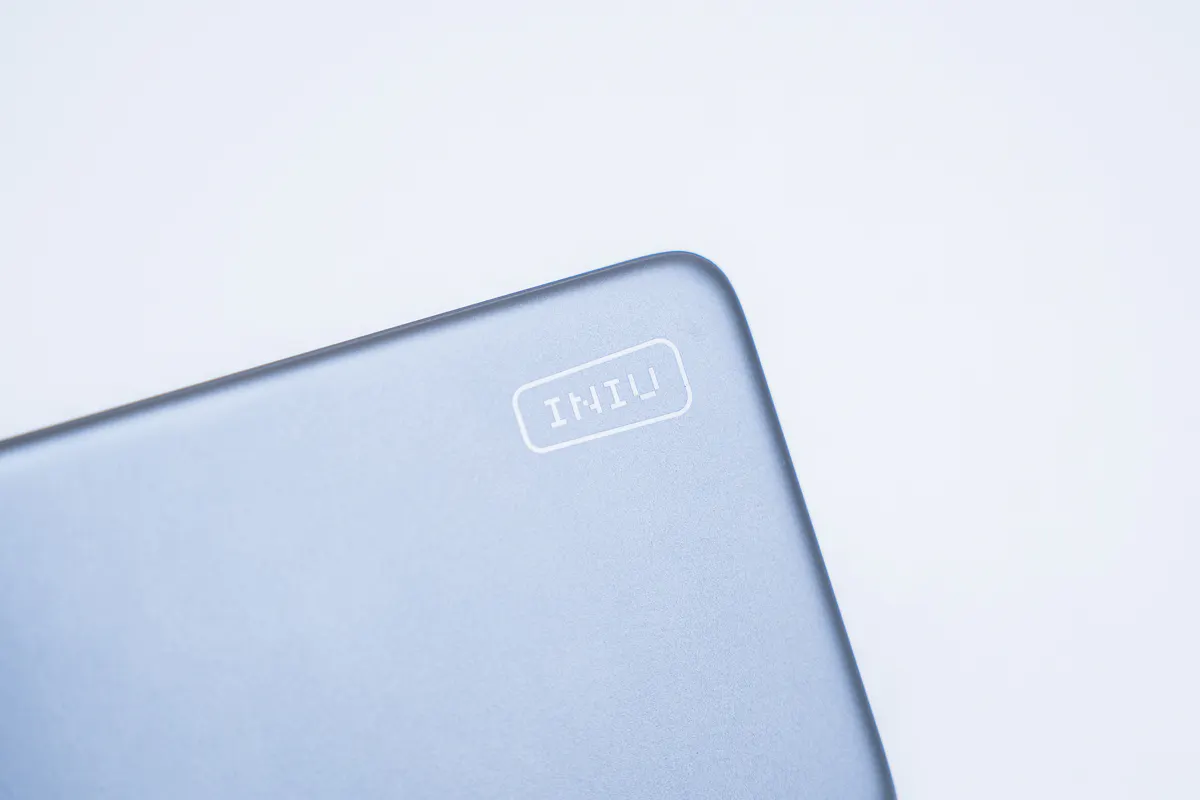
Branding is refreshingly minimal. There’s a small INIU logo on one side that stays fairly discreet, which we appreciate. The opposite side includes charging information and the wireless charging area.
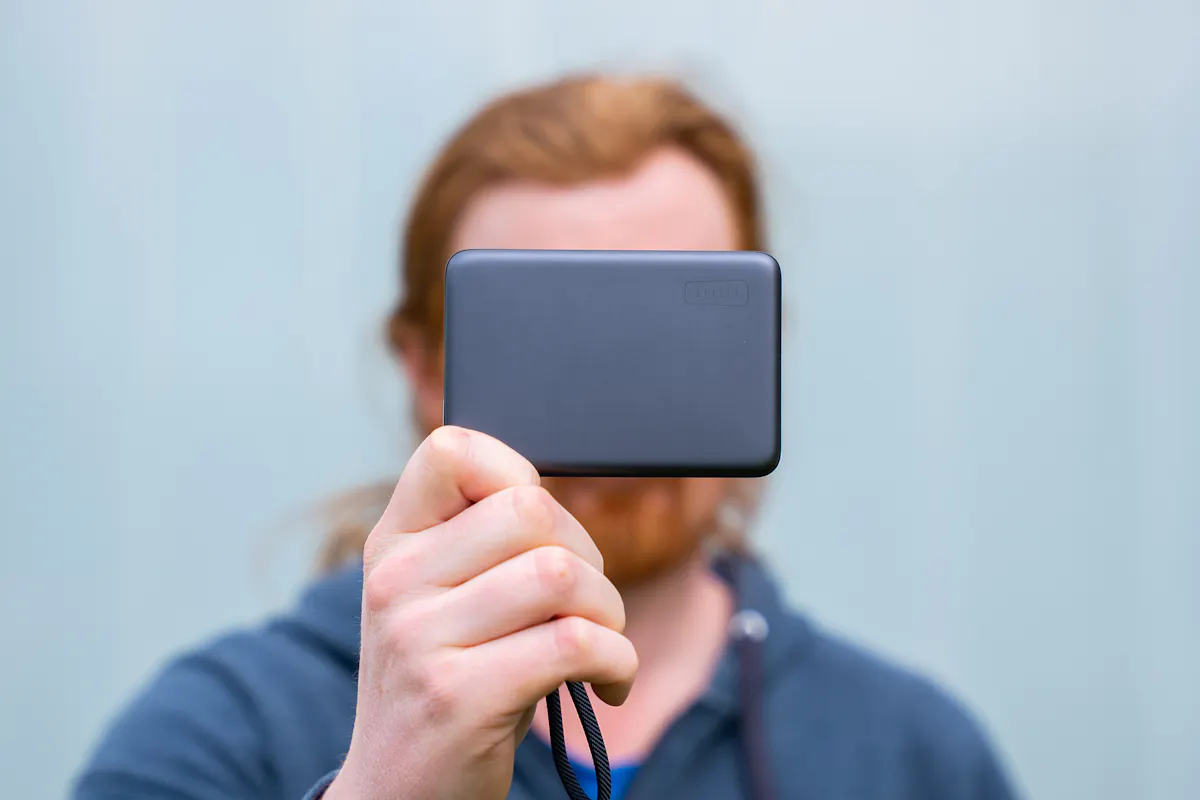
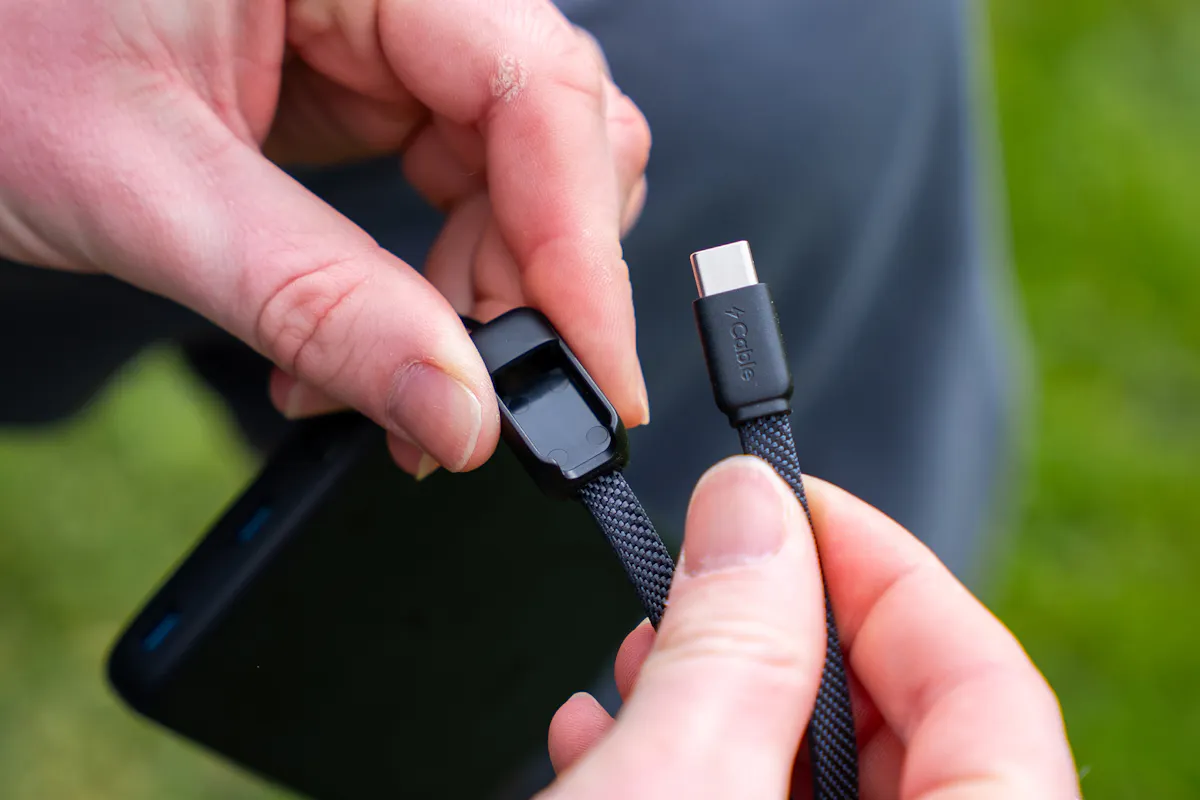
One of the biggest selling points is the built-in USB-C to USB-C cable that doubles as a lanyard. This style of integrated cable is becoming increasingly common lately, with brands like NITECORE and Anker adopting similar approaches. It’s convenient if most of your devices use USB-C, as you can leave an extra cable at home for short outings or lighter travel setups.
That said, if you’re still using an older iPhone with a Lightning port, the included cable won’t help much. Thankfully, you can still charge devices through the wireless charger or the additional USB-C ports.
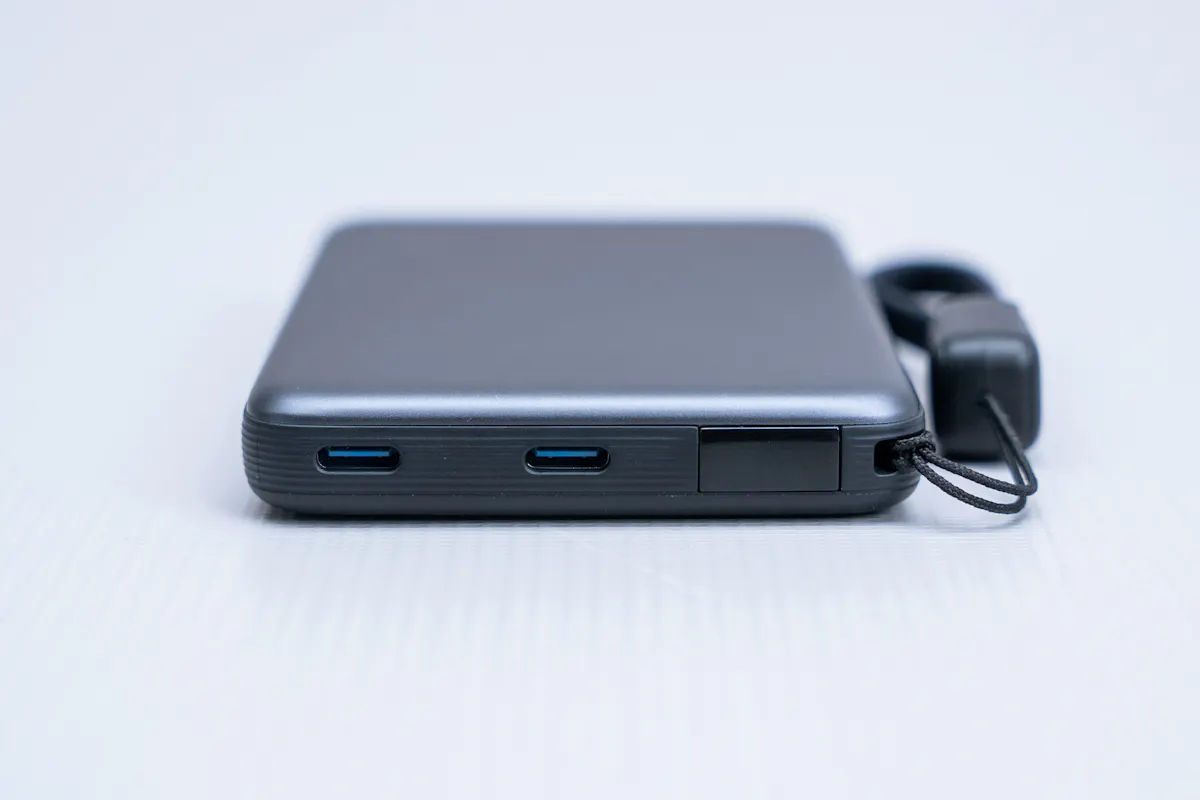
Speaking of which, the battery bank has two USB-C ports, both of which allow for input and output. Pass-through charging is also supported, so you can recharge the battery bank while powering another device at the same time.
Charging speeds are a bit more nuanced than the marketing might initially suggest. When using a single USB-C port, you can get up to 45W of output, depending on the device you’re charging. That’s enough for fast charging most phones and even topping up smaller laptops or tablets in a pinch. However, performance changes dramatically once multiple devices are connected.
If you use both USB-C ports simultaneously, total output drops to 15W, with each port maxing out at 7.5W. That’s noticeably slower than modern fast charging standards, though it’ll still charge most phones at an acceptable rate if you’re patient.
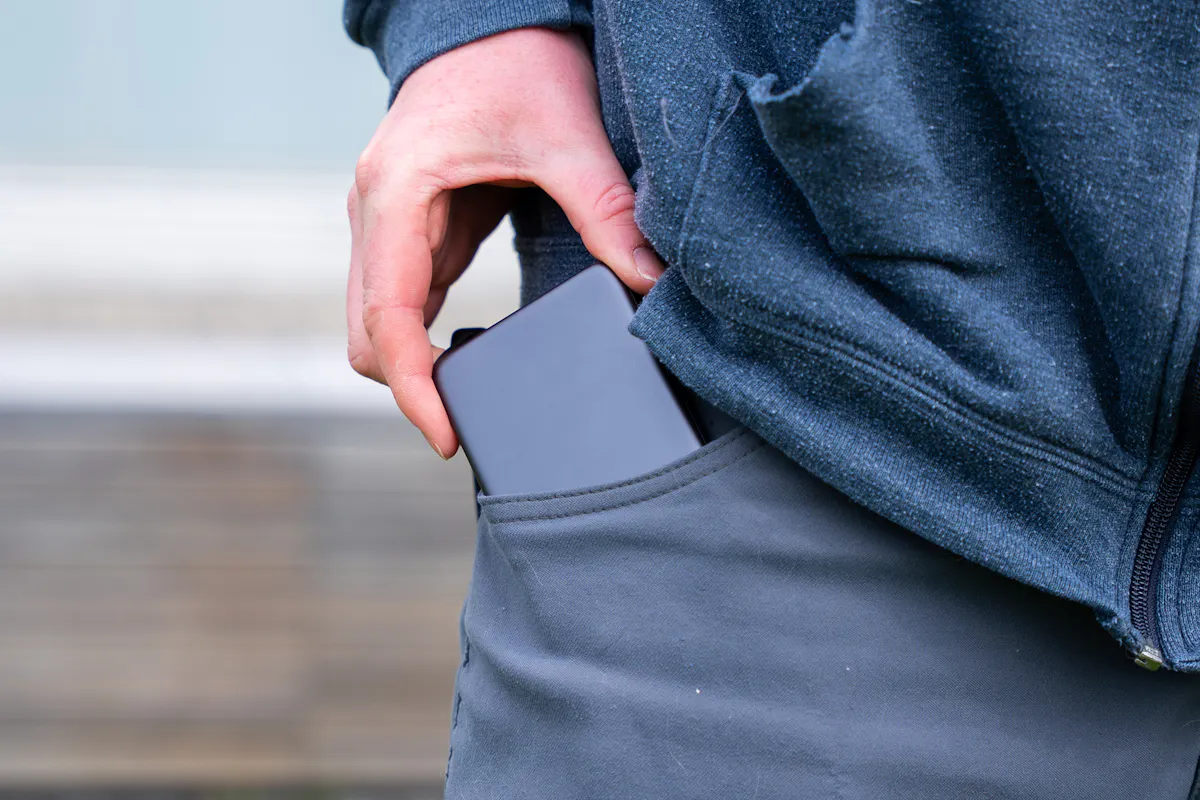
The wireless charger is more capable than we expected. Used alone, it maxes out at 25W, though many phones cap out closer to 15W anyway. Still, it’s enough to charge modern smartphones and accessories comfortably.
Things slow down again once you start combining charging methods. If you’re using one USB-C connection alongside wireless charging, the USB-C output drops to 10W while wireless gets 5W. That setup works reasonably well for charging smaller devices like AirPods wirelessly while topping up your phone via cable, though it’s definitely slower than using either method independently.
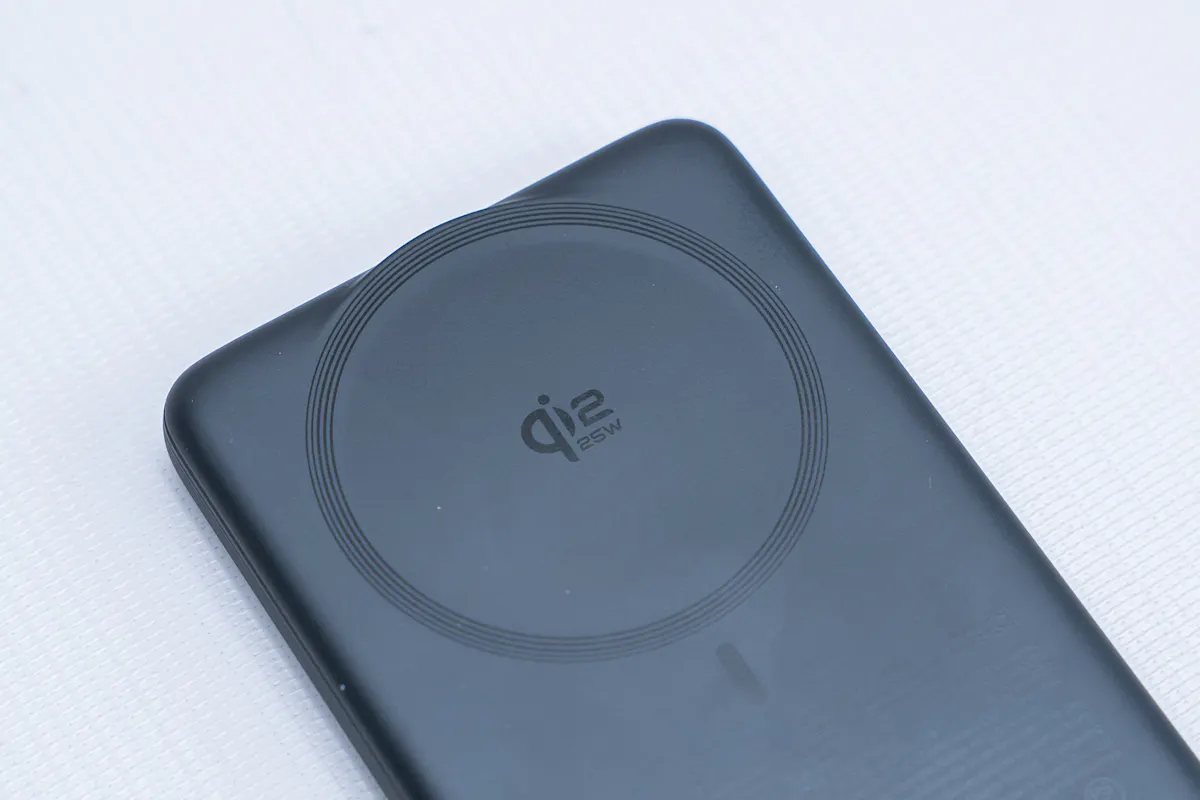
If you attempt to use all three outputs simultaneously—both USB-C ports plus wireless charging—everything gets throttled down to 5W each. It technically works, but charging speeds become pretty sluggish across the board. If your goal is to frequently charge multiple devices at higher speeds at once, this probably isn’t the best battery bank for your setup.
As for capacity, the SnapGo Air uses dual 5,000 mAh cells for a combined advertised capacity of 10,000 mAh. Like all battery banks, though, voltage conversion loss means you won’t actually get the full 10,000 mAh in real-world use.
Internally, the battery operates around 3.7–3.9V, while phones typically charge at 5V or higher. Once you factor in voltage conversion and efficiency losses, usable capacity ends up closer to around 6,500mAh or lower.
That sounds more confusing than it actually is in practice. Realistically, you’ll get around one full smartphone charge from the SnapGo Air, give or take, depending on your phone model, battery size, and battery health.
There’s also a small display to show the remaining battery percentage. Pressing the side button wakes the screen, and you can also use it to toggle wireless charging on or off. We prefer this simpler implementation over the oversized screens some newer battery banks are adopting. It gives you the information you need without feeling overly flashy or power-hungry.
Packability
The SnapGo Air strikes a pretty middle-of-the-road balance in terms of size. It isn’t tiny enough to completely disappear in your hand, though it’s still easy to carry one-handed without issue.
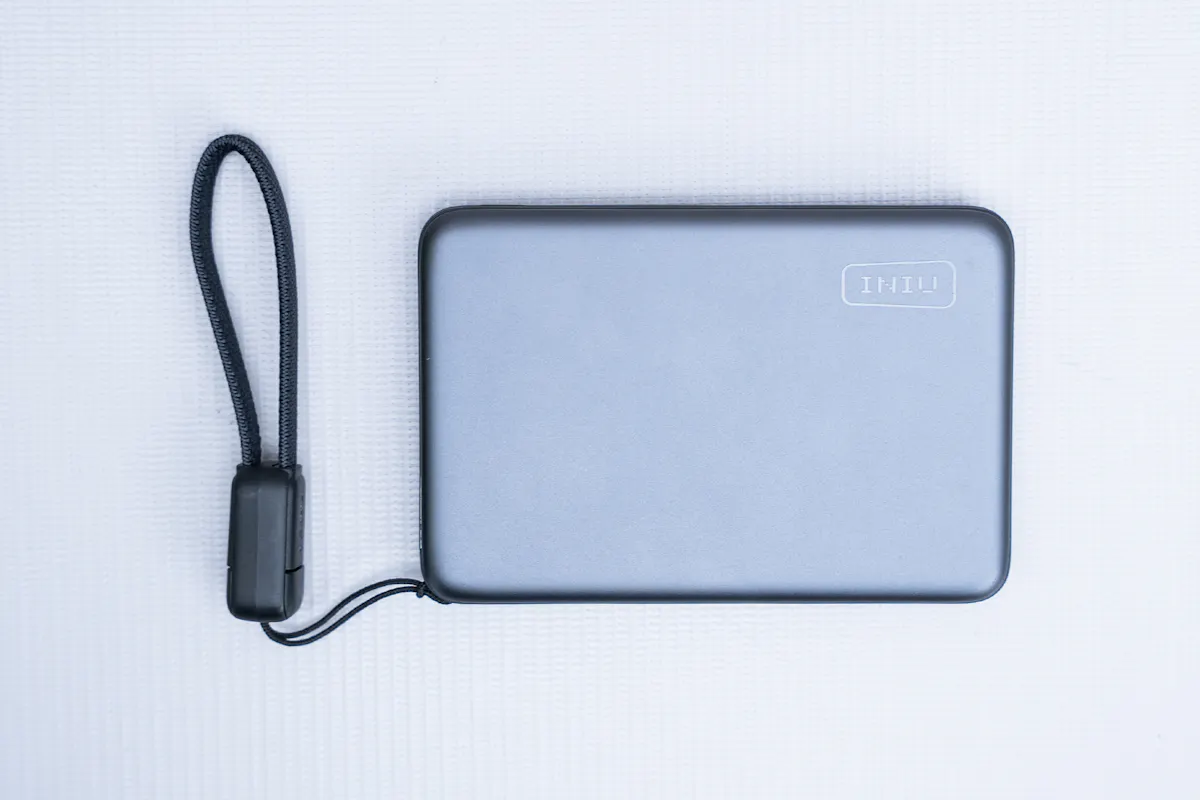
It fits nicely inside a tech pouch and slides easily into the admin panel of a travel backpack or daypack. It also works well in most slings, though in smaller ones it may take up more space than slimmer battery banks.
The integrated lanyard cable is somewhat helpful for quick grabs, though we wouldn’t want to carry the battery bank by it for extended periods. If you’re just walking from your hotel room down to the coffee shop, it’s perfectly serviceable. Beyond that, it feels more useful as an emergency charging cable than a true carrying handle.
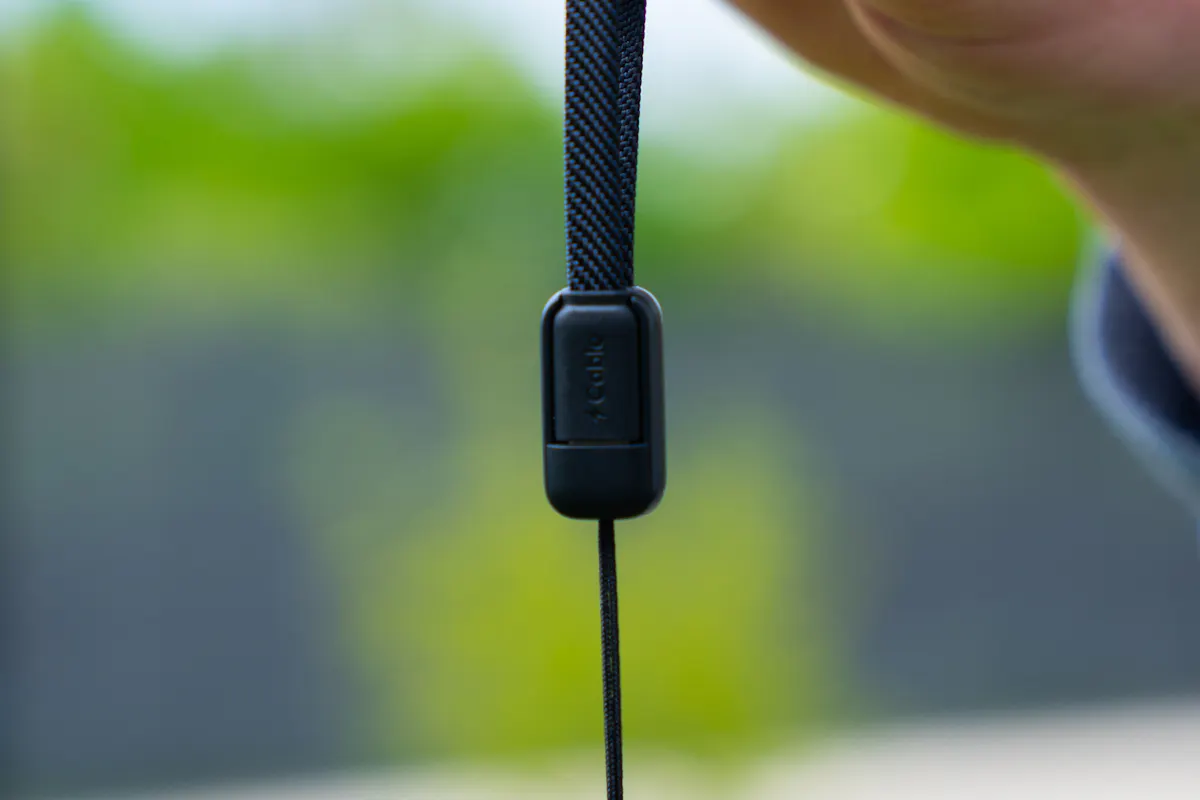
Overall, it lands in a comfortable middle ground: not especially tiny, but not overly bulky either. For a 10,000mAh battery bank with wireless charging and multiple ports, it feels appropriately sized.
Quick Comparison
A solid comparison is the NITECORE NB10000 Gen4 Ultralight Power Bank, especially since both battery banks include a USB-C cable integrated into a lanyard-style design.
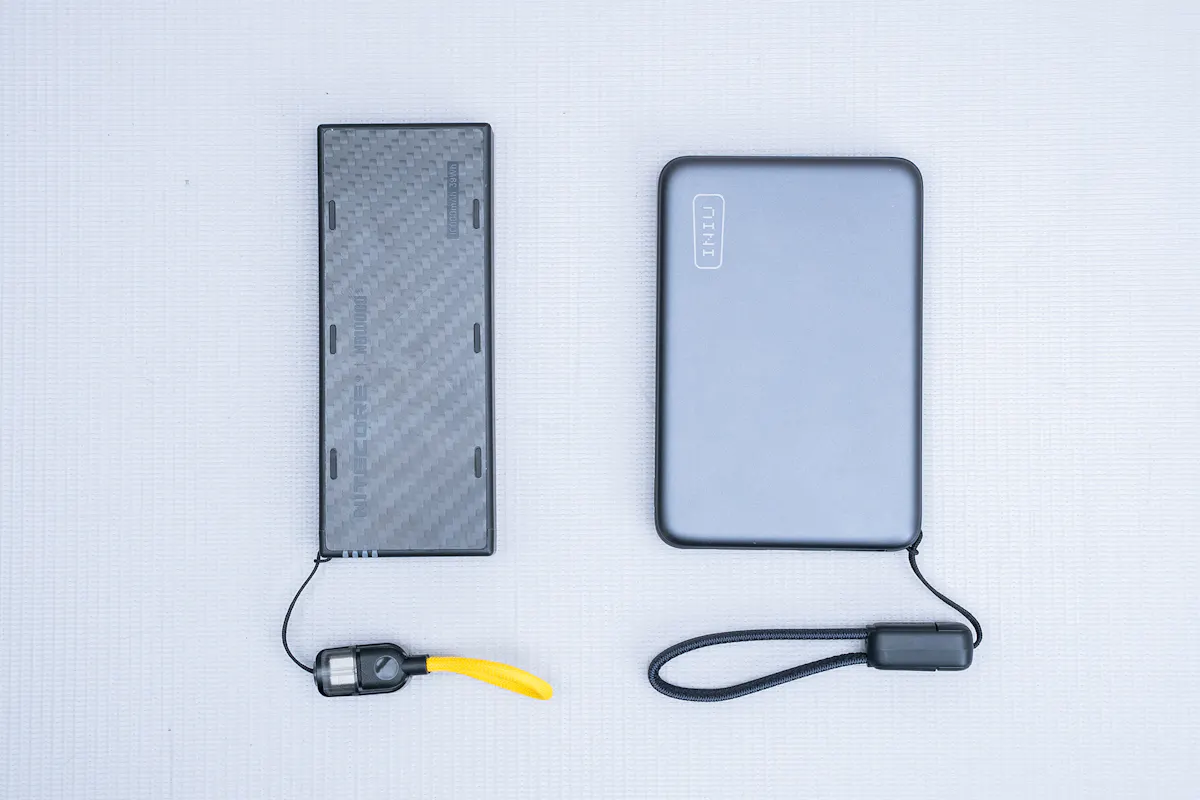
Honestly, the implementation feels pretty similar between the two. We may slightly prefer the INIU cable simply because it feels a bit easier to use day to day, though we’re splitting hairs at that point.
The NITECORE takes a more streamlined approach overall. It uses a carbon fiber shell that feels incredibly lightweight and durable, and the form factor is noticeably skinnier than the INIU.
Port selection is fairly straightforward on the NITECORE. There are two USB-C ports: one handles input and output up to 22.5W, while the second is input-only at the same speed. Pass-through charging is supported there as well.
The NITECORE also introduces two charging modes. Standard mode delivers a rated energy of 6,800 mAh at 5V/3A, while Eco mode lowers the charging speed to 5V/1A but increases the rated capacity to 7,200 mAh. It’s a neat feature if you want to prioritize either efficiency or speed, depending on your situation.
Where the INIU really differentiates itself is in wireless charging. The NB10000 Gen4 doesn’t offer it at all, whereas the SnapGo Air gives you the flexibility to wirelessly charge phones or accessories when you don’t want to deal with cables.
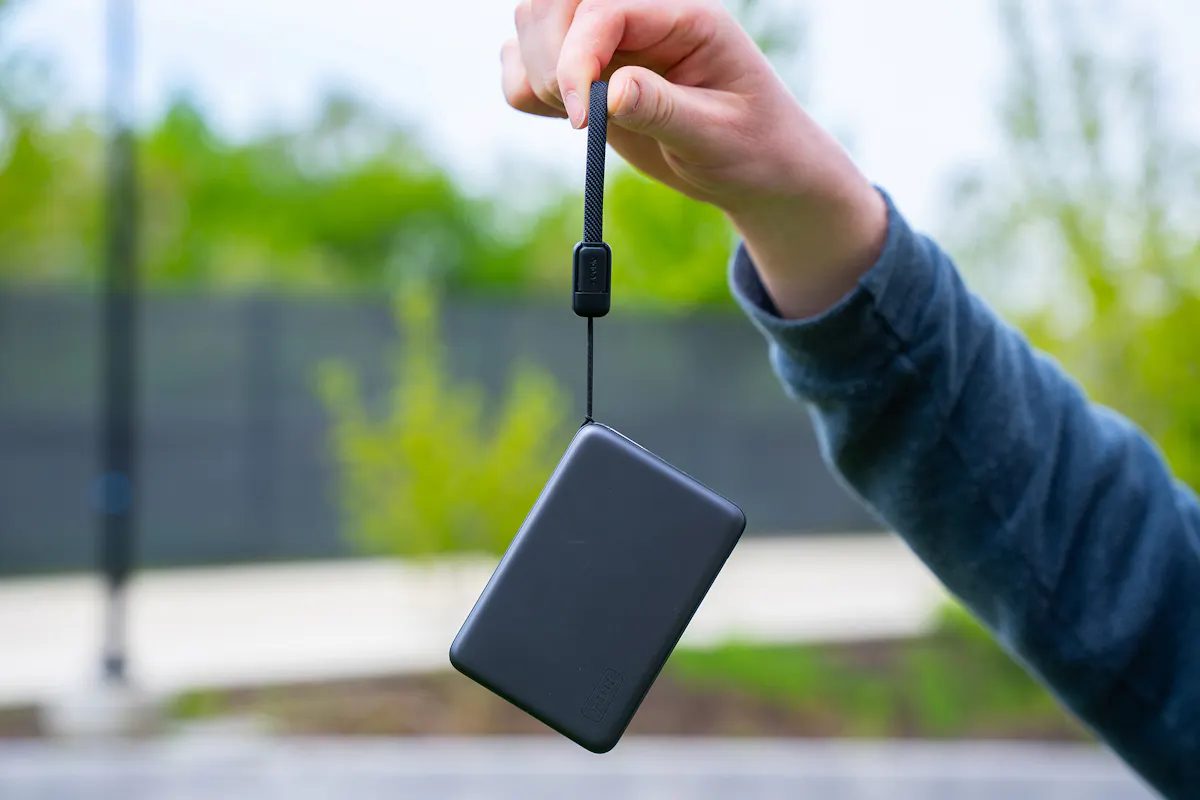
Ultimately, the better pick depends on your priorities. If you want the lightest, slimmest, and most technically focused setup possible, the NITECORE has the edge. However, if you value wireless charging, a more versatile charging setup, and a budget-friendly price point, the INIU SnapGo Air 10000mAh makes a strong case for itself.
Usage Timeline
Condition: Excellent
- The plastic exterior feels durable, but we’re curious if it’ll mark up
- No issues with the included cable so far
- The little screen is helpful, but it might not be bright enough outside
Condition: Excellent
- The exterior still looks brand new
- The cable shows no signs of wear or fraying
- The battery bank is still operating as you’d expect



Get your questions about the INIU SnapGo Air 10000mAh answered from our team and the Pro Community right here on the page. Plus, join discussions with other members about gear, guides, and more.
Join Pack Hacker Pro or, Sign In